



















A study of young adults in Canada done by the American Psychology Association revealed that 84% of those tested could not separate fact from fiction; and a similar study of middle schoolers showed that 82% could not identify the difference between a news story and an online advertisement.
These numbers reflect the rising spread of misinformation, biased news and stories generated by artificial intelligence. Although some people can easily separate the problematic stories from actual fact, some can’t, specifically the developing minds of kids and teenagers.
In middle school and high school, easier access to the internet provides constant connection to world news and the pipeline of information that is constantly updated, which can provide harmful misleading information for those who are learning.
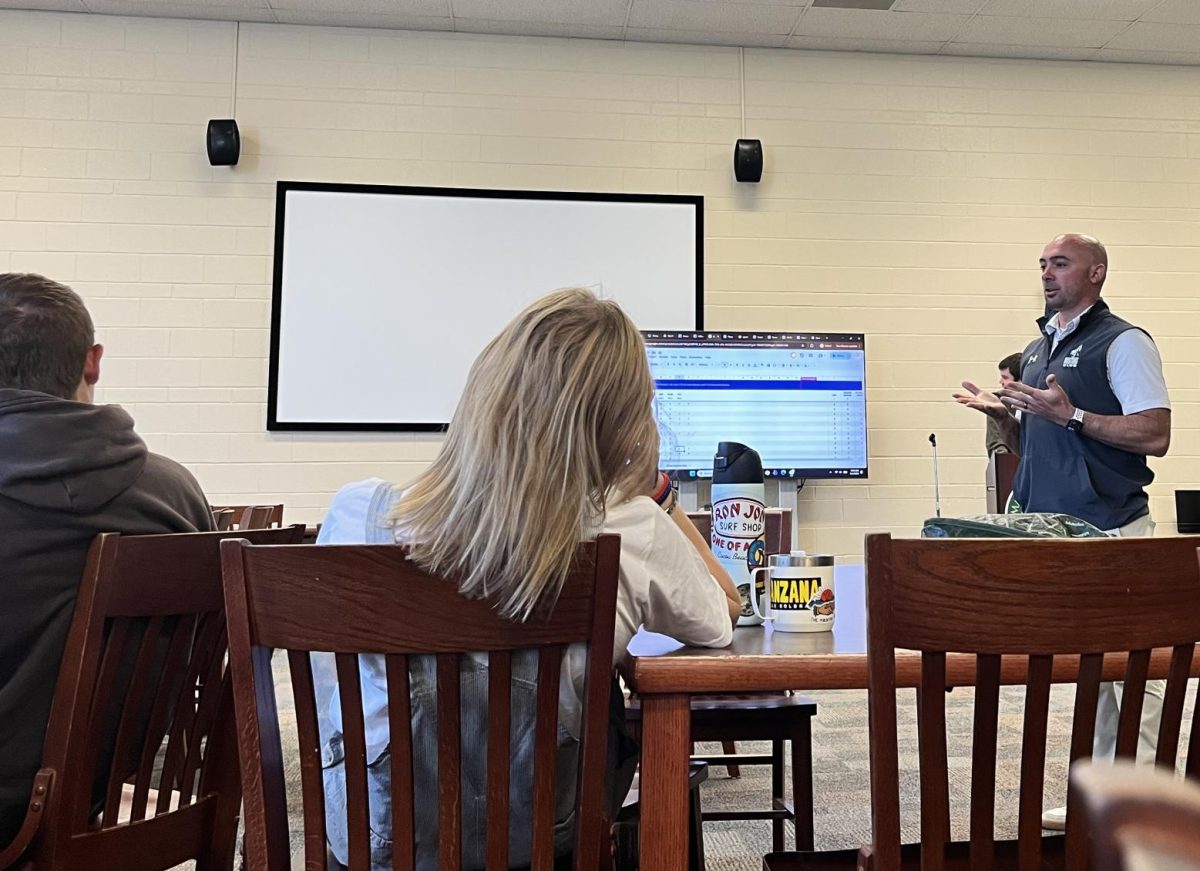
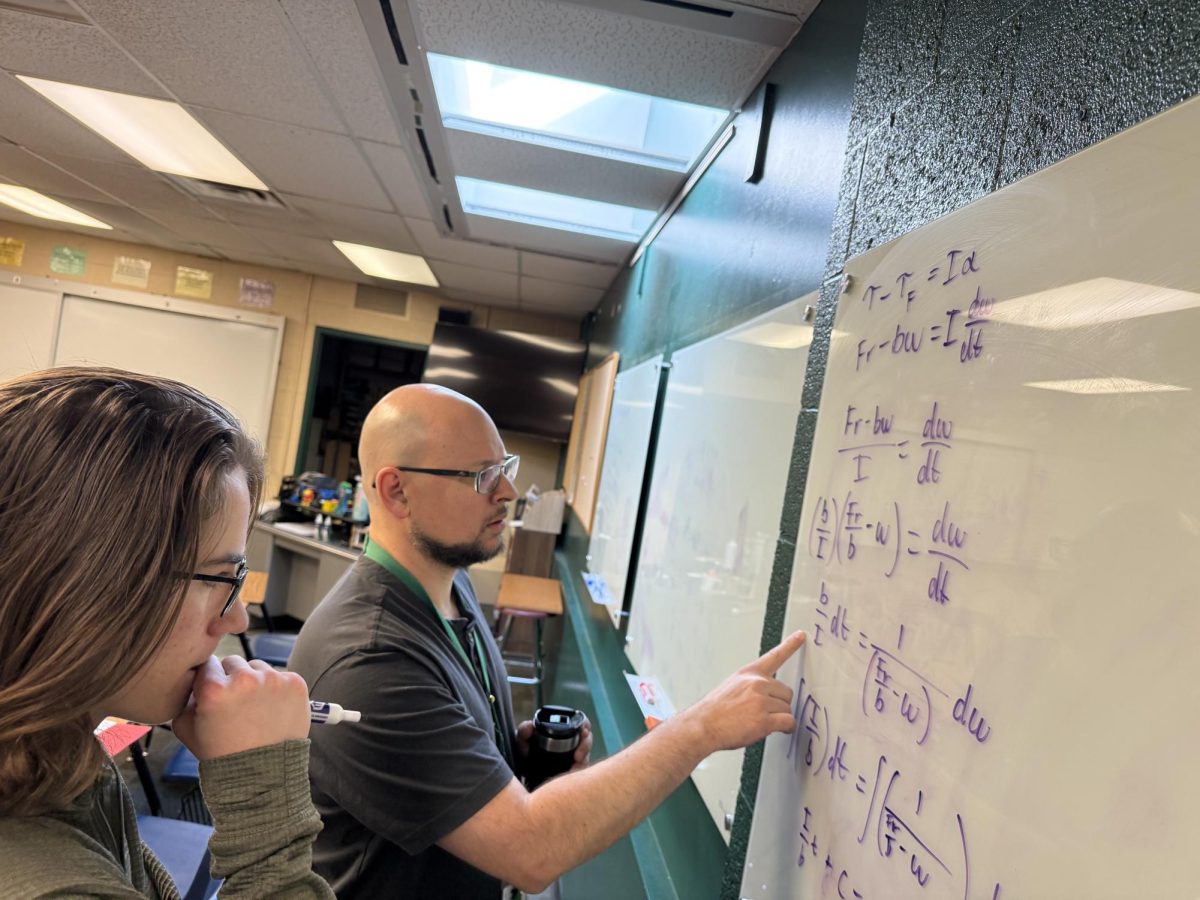
The internet provides thousands of “sources” but how do students know which ones to trust to give raw, factual and unbiased news? MSHS English Teacher Ben Gilliam doesn’t think there exists an unbiased news source anymore. “For something to be totally unbiased, it would have to contain all of the information, so unless you’re including every possible piece of information that exists, which is just impossible, any news source is going to be innately biased,” Gilliam said.
Gilliam’s advice for understanding information past just the basic surface level content is to take the time. “We live in the world right now of headlines. People don’t consider that news and headlines can be very misleading. They’re meant to be very sensational, and attention grabbing. They’re supposed to be a little bit outrageous and get people fired up in support of one side or against another side. If you really want to know more about that topic beyond just that headline or that attention grabbing remark that a friend makes you’ve got to take some time, you’ve got to just read and from a variety of sources,” Gilliam said.
To fully understand a topic and an issue you have to get the full picture and see what multiple sources say about it. “Go to MSNBC and see what they say, go to BBC, see what they say about it, go to Fox News. Then it’s up to you to synthesize your own interpretation of it…what is the truth as best you can understand it,” Gilliam said.
The influence of disinformation and the lack of media literacy has been observed by teachers in MSHS. History teacher Lawrence Housley has observed some untrue works and statements by students but not regularly. “I have seen students write about things that are definitely misinformation or opinions at best, but it’s not often,” Housley said.
Housley also agrees there is not an American source that isn’t biased. “I think the most unbiased news source when it comes to our country are foreign ones. I think the BBC, Aljazeera are going to be the most objective around political events in our country. I used to really trust NPR, but at the same time, even they are quite biased. I honestly can’t come up with an American media source that is not biased,” Housley said.
As teenagers enter a more independent time they start developing their own opinions and deciding for themselves what to believe and don’t believe. Something that significantly influences their opinions though is their parents. “As people move into upper adolescence, I think it’s important to question your parents’ biases and values, not in a judgmental or an accusatory type of way, but just to ask yourself, like, do I agree with my parents, not to say I disagree with you because you’re dumb, but I disagree with you. Can you help me understand,” Gilliam said.
Gilliam believes that these disagreements are good to have with others but in a respectful appropriate way. “It is important for people to encounter others who disagree with them, if you want the right to your opinion, if it is an opinion you feel so strongly about, then you might come into conflict with other people over it,” Gilliam said.
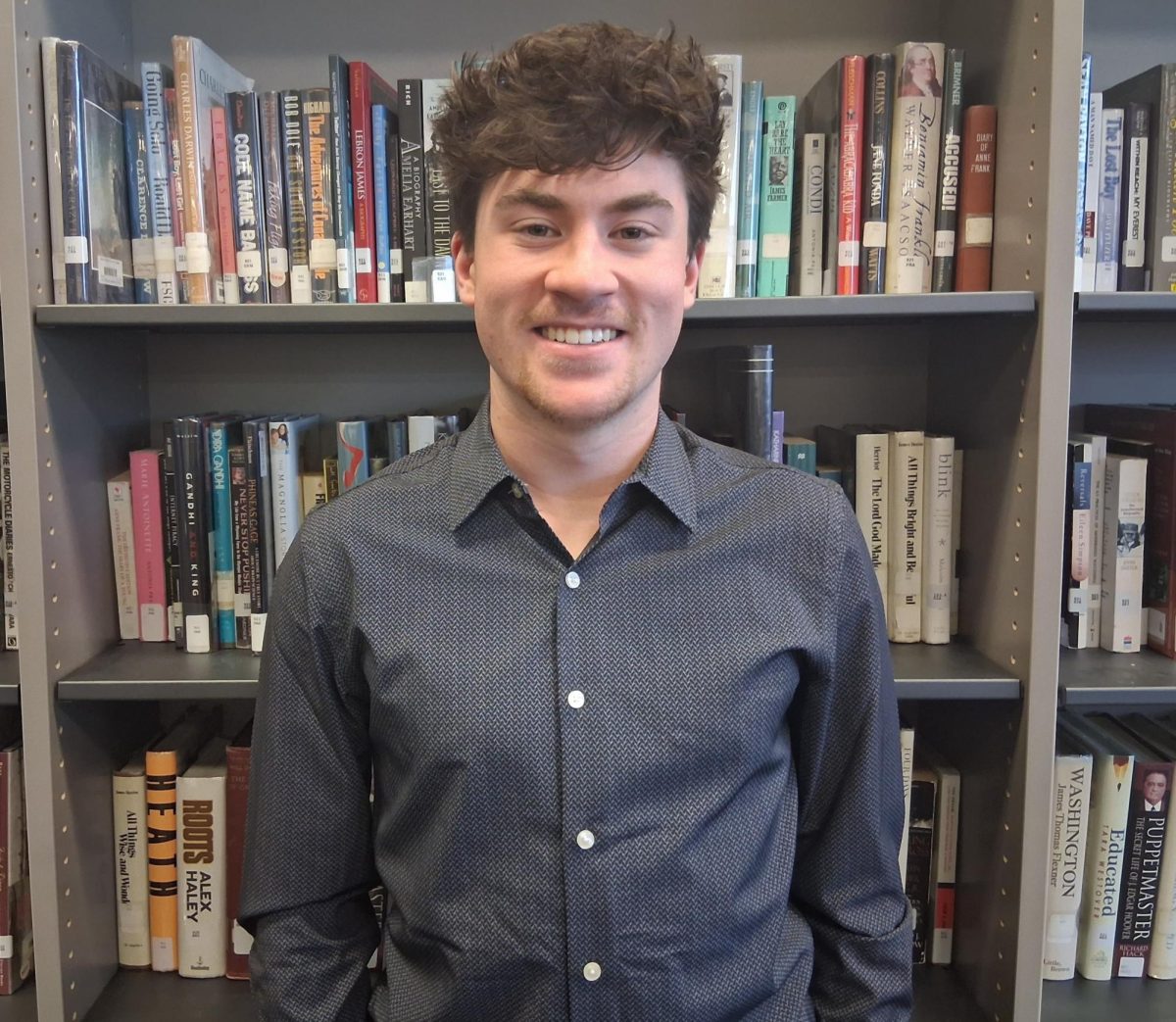
As teenagers now enter a world full of information it can sometimes feel like a lot. Although there are many outlets to obtain information, sometimes direct sources are overwhelming and provide information overload. Kyle Blasi, a MSHS senior, doesn’t directly consume news, he learns about it from others. “A lot of the news that I get is hearsay from people. So whether that’s people reposting things on their social media, or on their Instagram story…so it’s very watered down by the time it gets to me,” Blasi said. “I used to walk out of the room when my grandma turned on the news because it just depressed me. I didn’t like hearing about the new shooting every day or the homicide, or the state of our world, because it always feels like there’s something negative to focus on. It’s probably not the most healthy thing, but my coping mechanism for it is just ignoring it, trying to tune it out as much as I can, and relying on the people in my life to tell me the most important things that I really need to know.”
Now that Blasi is old enough to vote, he believes he has to be more aware of the news. “Now that I’m 18 and I’m a registered voter, I have a duty as an American citizen to be more up to date and current with what’s going on, and so I should probably pay more attention to the happenings in our country so that I can be an educated voter,” he said.
For a world with so much information and disagreements Gilliam encourages people to listen more than they speak. “I think people nowadays would benefit from a little more listening, and I always joke we got two ears and one mouth because we’re supposed to listen more than we talk,” Gilliam said.