



























On April 15, SAT & PSAT testing will begin for students across the state, but how do they prepare for these tests? Students, in order to gain the highest possible score, practice with teachers, tutors or simply read and practice subject packets of the various subjects on the regular.
Though the SAT has its historical roots beginning in 1900 through the formation of the College Board & the College entrance exam, SAT truly started in 1923 created by Carl Brigham due to American Education declining in its effectiveness. The College Board put Brigham in charge of a program that would make a test that aids in the increase of the average American intelligence. This test would eventually become the SAT. Eventually in 1959, though later refined into the test we have today in 1971, the PSAT was then also created in preparation for people who will take the SAT.
The SAT and PSAT test an individual’s skills in math, both with and without a calculator, reading, writing and language for a total of 180 minutes and 154 questions. Though there is no “passing score” for the SAT, College Board sets a college readiness benchmark at 1010 total points out of the maximum of 1600 total points possible. Like any other test one takes, the higher score you get, the more colleges will look at you for a potential student invitation.
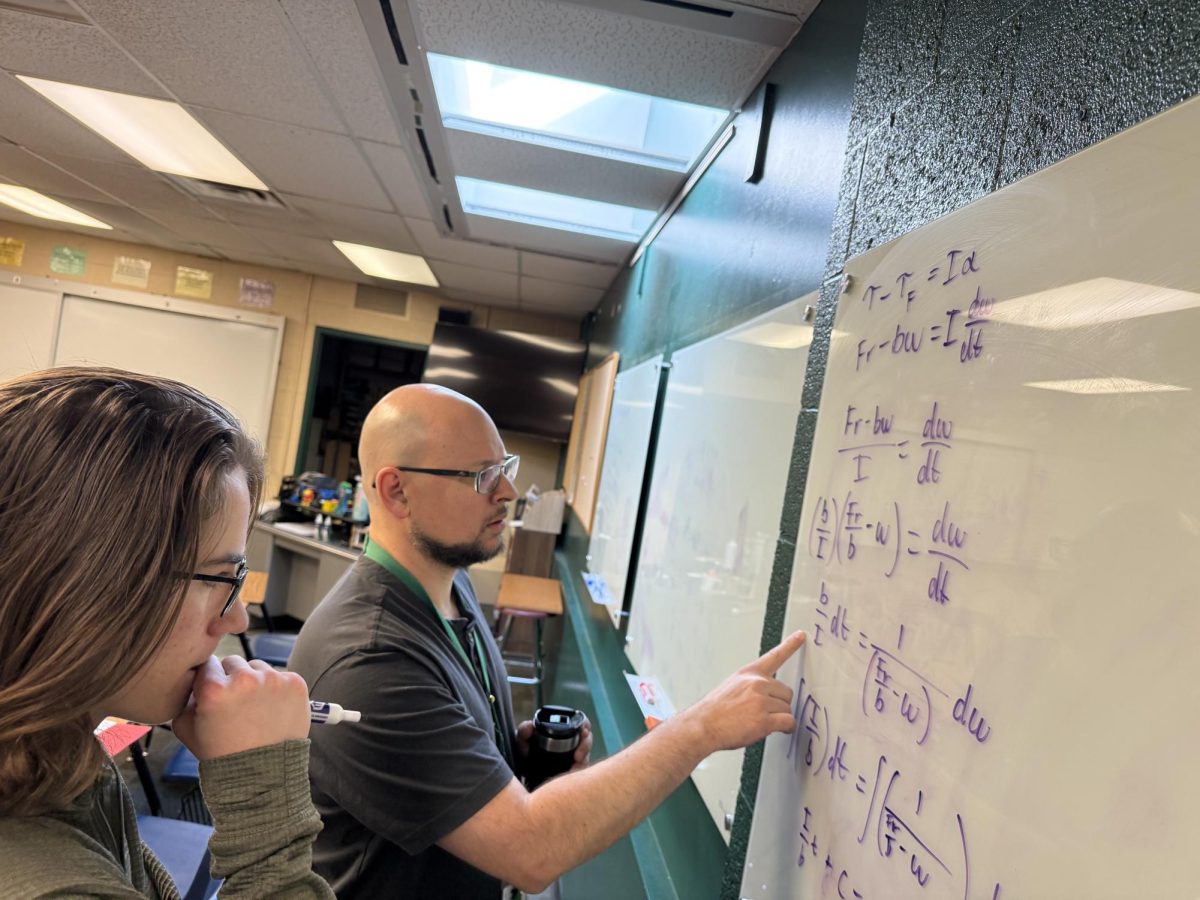
Though these tests may seem daunting, there are ways to prepare yourself for them. Students like Braylon Greene (11) meet with tutors and teachers in preparation for the test. “I meet with some of my tutors, and I review with all my teachers during class periods,” Greene said.
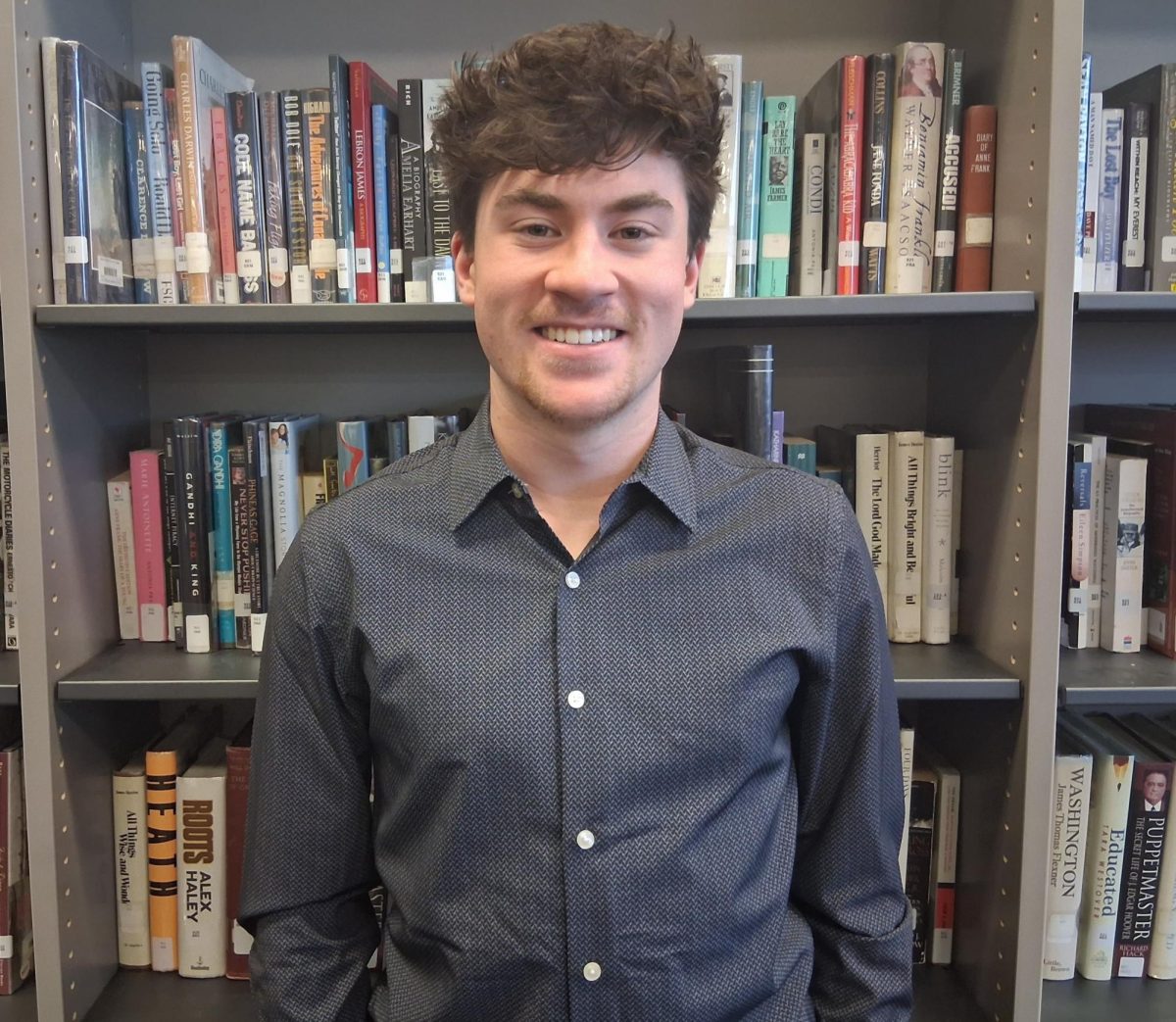
Kyle Blasi (12) though no longer taking the SAT or PSAT, still had practiced for these important tests weeks before it was time to take them. “Before the SAT, I got a SAT prep book from the library, and so I worked through some of the practice problems that it gave me and the exercises, and it definitely helped,” Blasi said. “I got it a couple weeks before the SAT so I only had time to really work on and review the writing section, and my writing section was significantly higher than my math section. My math section was a lot lower because I didn’t put the time into studying that right.”
Despite the SAT & PSAT falling onto the students to actually do, these tests also impact both the teachers and the school itself. According to Jessie Nunley, assistant principal of MSHS, both SAT & PSATs based on the student score reflect then onto teachers which then reflects the schools academic performance. “SAT and PSATs are how we are measured for performance by the state of Colorado. So student performance reflects on teacher performance of how our students are learning and performing based on standards. So that’s our form of standardized assessment,” Nunley said.
Nunley advises students to ask for teacher aid if they are concerned that they are not learning about topics in the tests. “I encourage students to ask their teachers about certain questions or the content that they are familiar with that might show up on the SAT because teachers do a nice job embedding that in their lessons and students might not even know,” Nunley said. “Asking teachers to bring that to their attention might be a really good way to give students some more confidence that they really are being prepared really well for this.”
In the end, not only does practicing for the SAT & PSAT help increase the chances of gaining a higher score on the test, but it also makes you look good when it’s time to go to college, if colleges are looking at you, and possible job opportunities, depending on the kind. Though if you are stressed or have a pessimistic view on these upcoming tests, the only advice students give is to relax and not to stress. “Relax, don’t stress over it too much, and be confident in yourself, and it’ll go well from there,” Greene said. Blasi agrees with this sentiment. “Don’t stress yourself out about it, but if you want to study, it definitely has helped me,” he said.