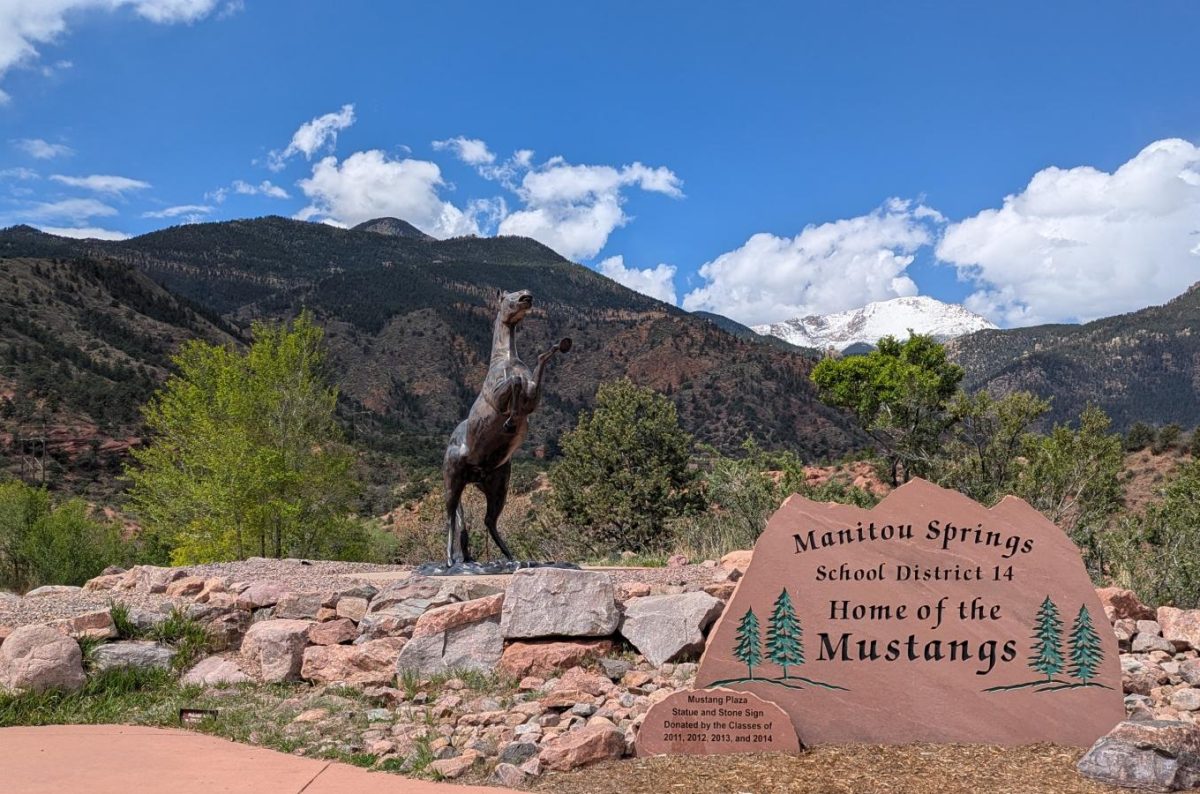















During the 2025-2026 school year, the Manitou Springs High School House of Delegates proposed an AI regulation policy for teachers to MSHS administration. This proposal prohibited teachers from using AI to grade or create assignments, as long as students aren’t allowed to use AI. Although this is the most prevalent proposal made this year, the House of Delegates has proposed multiple policies since they were founded at the start of the school year.
The House of Delegates is a space for clubs and activities to provide input on school policies that affect them. Members of these clubs and activities meet every other week on Mondays during advisory.
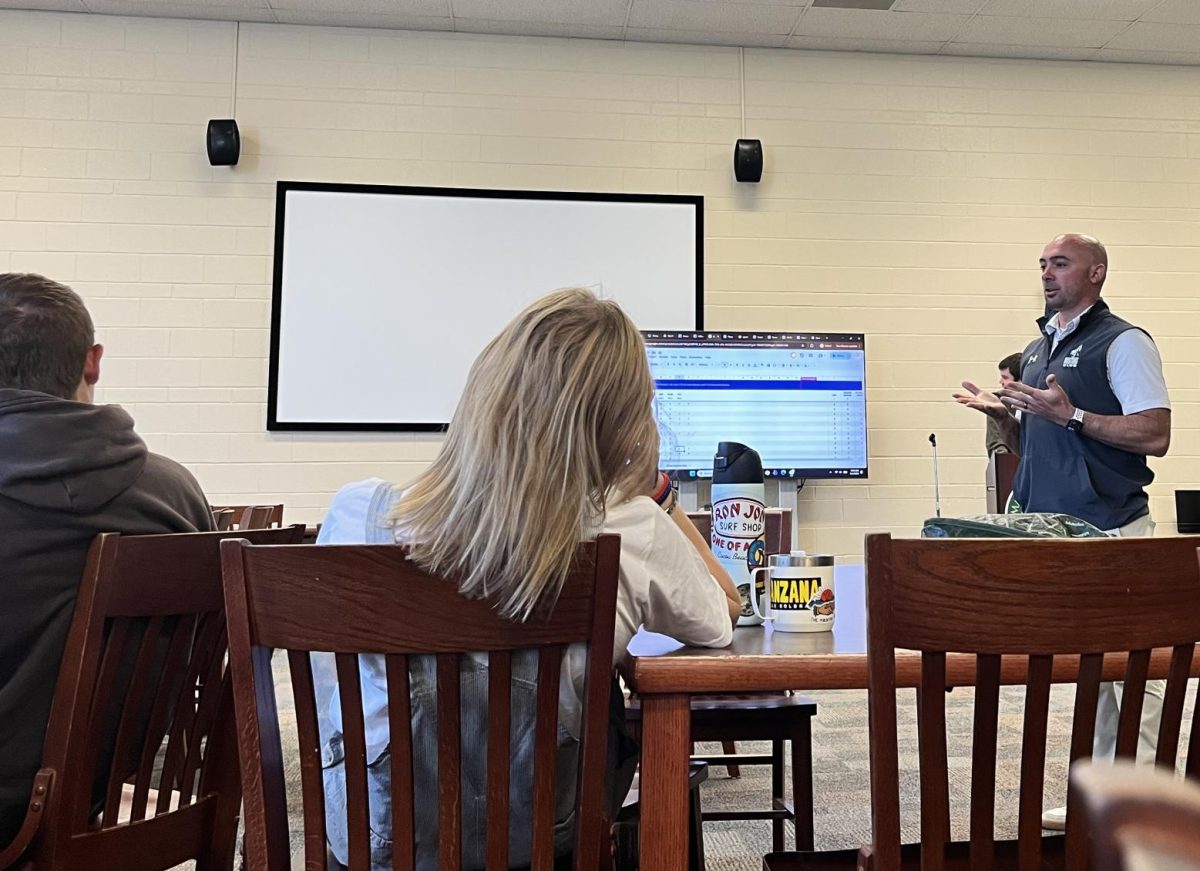
Brandon DeMatto is the Director of the House of Delegates. DeMatto’s goal is to create a space where student voices contribute to sustainable improvements in the school. “Right now, the focus is on gathering input, identifying patterns and working collaboratively to ensure that any adjustments are meaningful and aligned with the broader direction of our programs,” he said.
The House of Delegates has generated student input from representatives focused on improving the student experience particularly within extracurricular activities. “Much of that work has centered on identifying strengths, recognizing areas for growth, and finding ways to improve connection, communication and participation across programs,” he said.

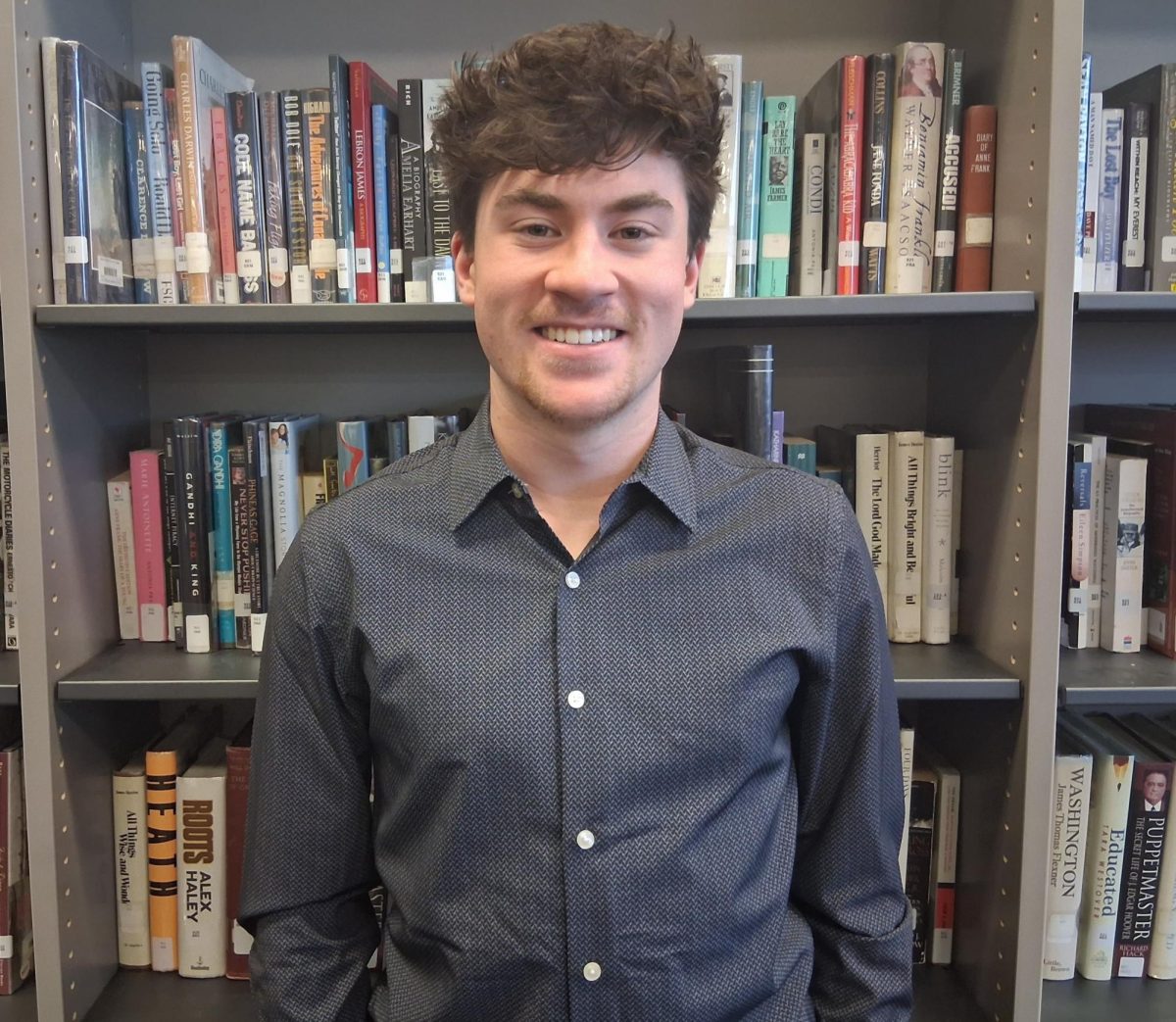
Felix Banagale, the speaker of the house for the House of Delegates, feels that their general goal is to provide a voice for students that wouldn’t otherwise be heard. “We have almost every club, sport and activity represented,” he said.
Although Student Council is intended to be the student body voice, Banagale feels that they may be too busy at times to provide that service. “This is something that StuCo in the past might have done, but StuCo is a bit busy, especially during homecoming and prom season,” he said. “We chose to separate it this year, and the goal is to make it something completely independent of StuCo within the next few years.”
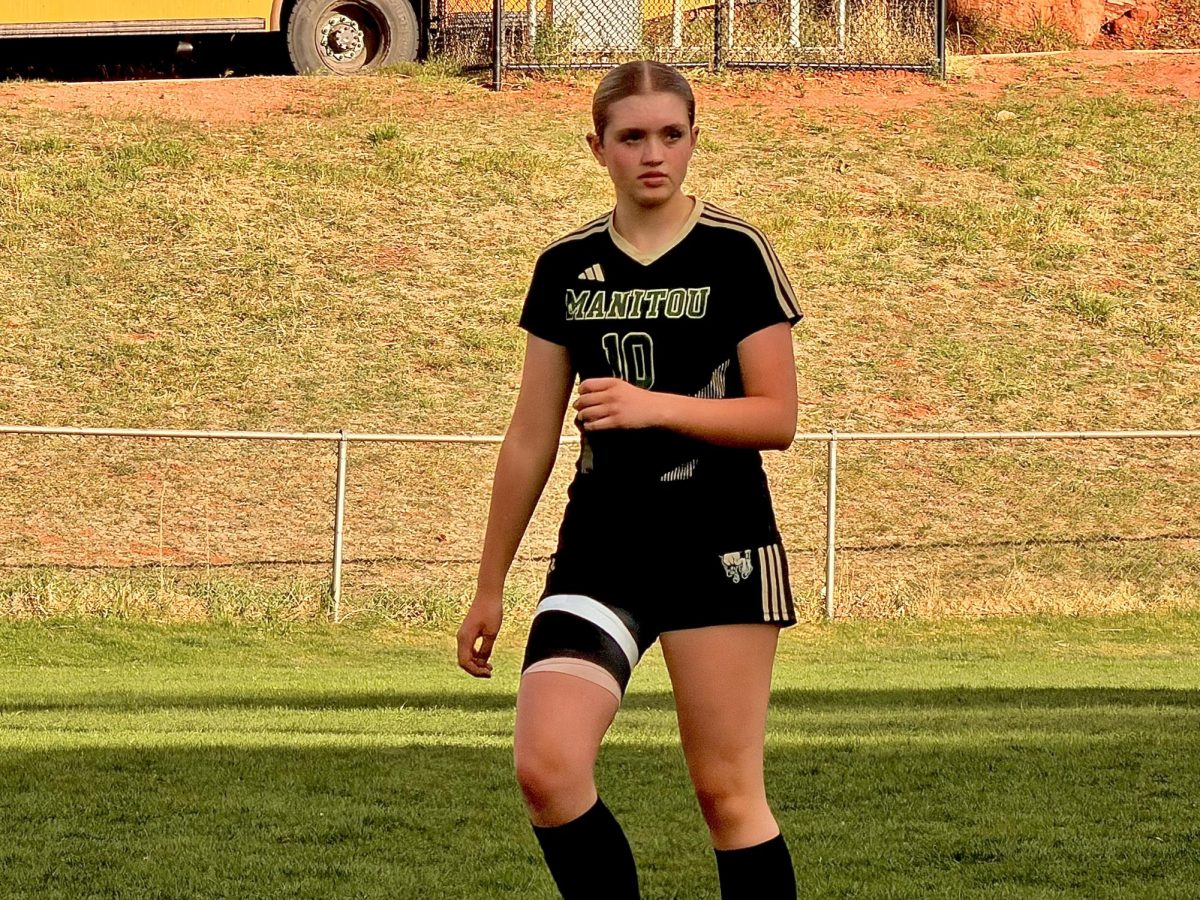
Ronan McIlhargie (10), the Environmental Club representative and cleric for the House, concurs with Banagale about StuCo’s schedule conflicts. “I think our main purpose is to focus specifically on proposals and changes, because the Student Council does a lot of projects and events that keeps them busy a lot of the time, so this is to support them, and we do have a representative from StuCo as well,” he said.
McIlhargie made the proposal about AI usage. “I actually made that proposal. As the representative for the Environmental Club, I recognize AI’s harmful impacts on the environment,” he said. “I introduced that to try to prevent overall excessive usage of AI in our school.”
DeMatto recognizes that the process of evaluating a proposal is slow at the moment for a few particular reasons. “There are no finalized outcomes for the AI proposal yet, as it is still in the early stages of the feedback and evaluation process,” he said. “That approach is intentional because we want to make sure decisions in that area are thoughtful, aligned, and include the appropriate stakeholders.”
Banagale sees a bright future for the House of Delegates. “We’ve already got so much done this first year as a trial phase,” he said. “I’m excited to see where it goes once people actually know how it works.”
He feels that once the structure of the group is set, they will be more productive. “It’s still the first few meetings, so we’re just teaching people; this is how we’re going to introduce things and this is how we’re going to debate things. Now that people understand that, we’re getting a lot more done.”
DeMatto wants students to not only provide meaningful input, but also to learn life lessons by gaining experience as a representative. “The goal of this work is to give students a meaningful role in their experience,” DeMatto said. “That includes learning how to represent others, communicate effectively and contribute to something bigger than themselves. When done well, it not only helps improve programs but also develops leadership skills that extend beyond high school.”