

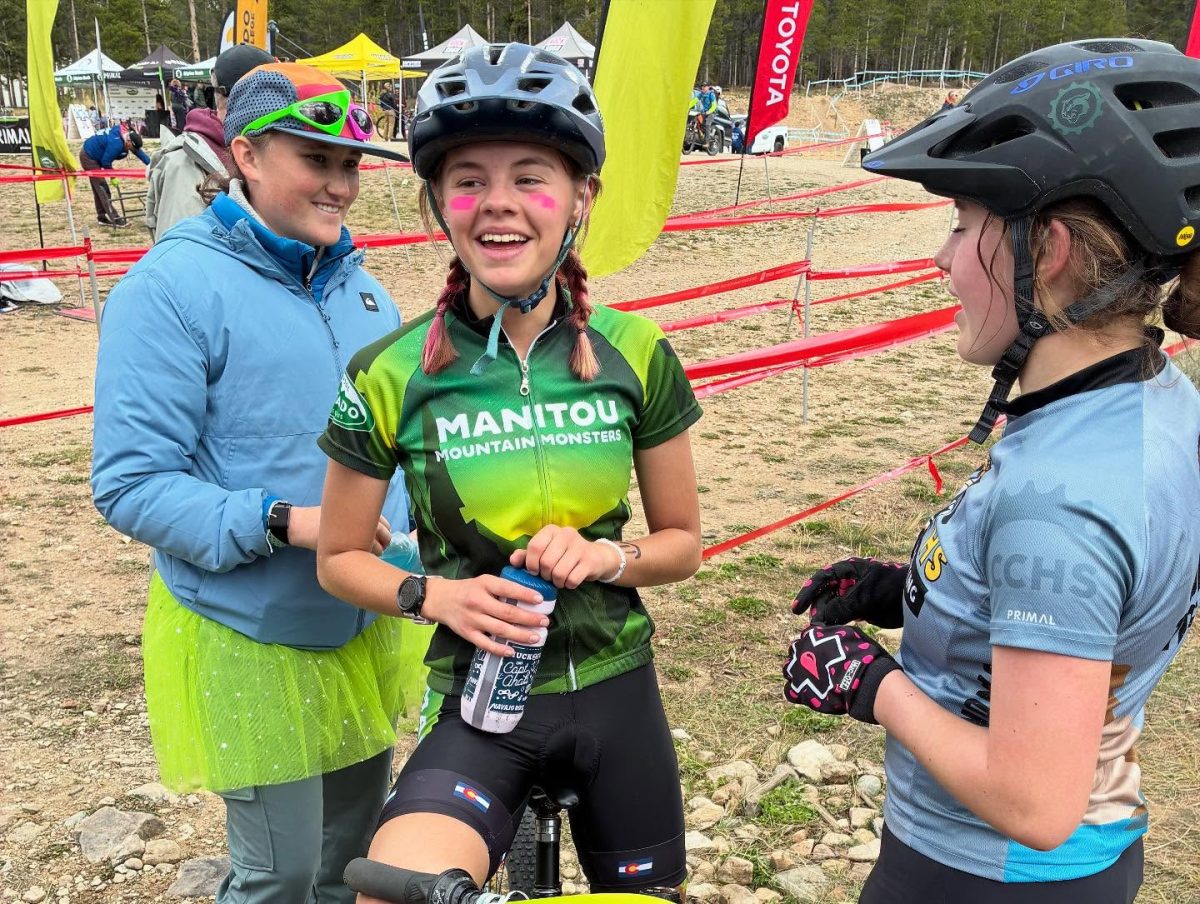












Almost three weeks ago I crossed the finish line at my last ever Colorado High School Cycling League Race. The entire weekend was bittersweet, full of hugs, tears and the lingering feeling that we truly are growing up.
So much effort goes into every single race weekend, practice, and event. I owe so much of my success to the race crew, volunteers, parents, and coaches that choose to spend their time making these races possible.
Coaches are a very fundamental part of sports, and they often do not get the recognition that they deserve.
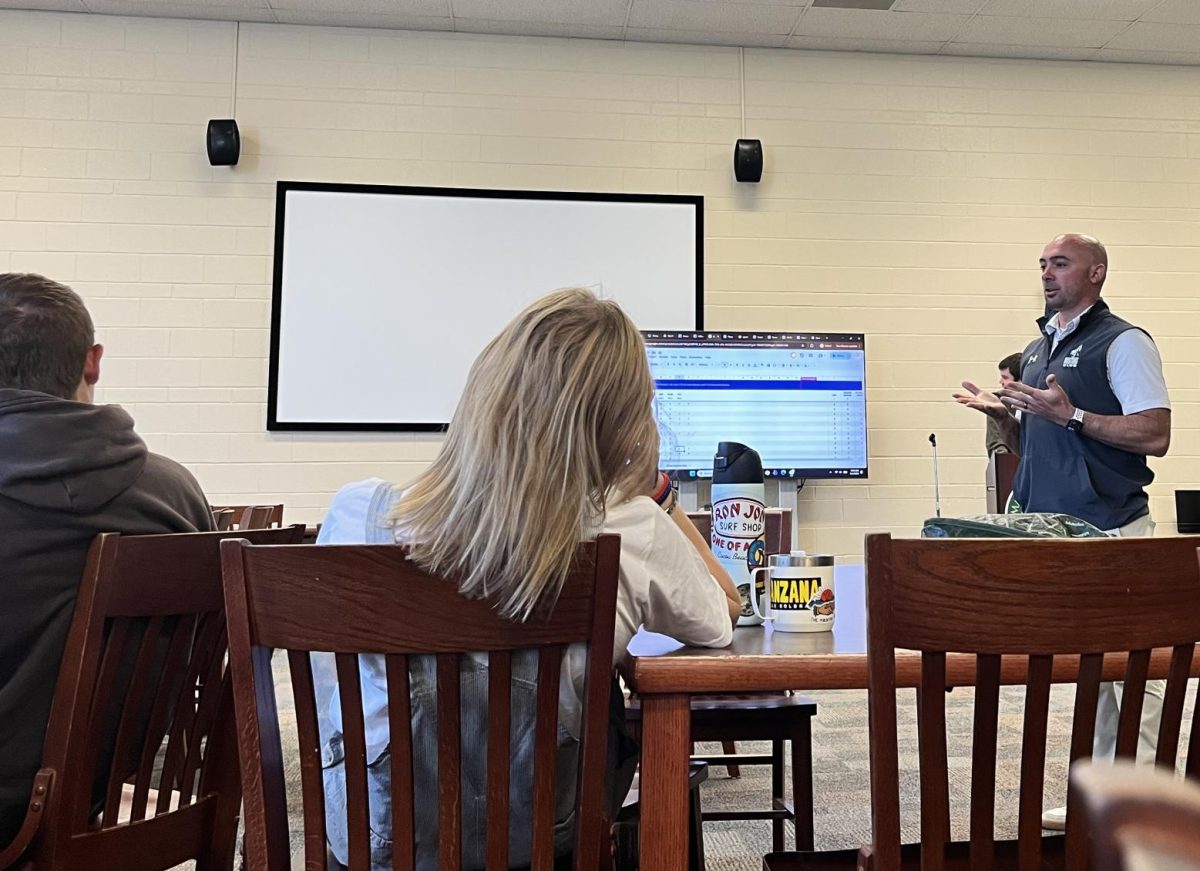
Coaches start planning for next year’s season in November, right after the previous season ends. “At that stage it’s a recap of the prior year,” Brian Hubel, head coach for the team that I ride with, said. “We’re making notes of things that worked well and things that did not work and then making adjustments for the upcoming season.”
Pre-season planning includes getting coaches trained and familiar with the parks and trails in the area, planning skills clinics, trail building, the team camping trip, kick off meeting, coaches meeting and coaches training. “Things really start to get busy around February,” Hubel said. “We have to get the team registered and insured with the league so athlete registration can open up.”
Each practice requires planning and logistics that don’t even cross our minds as athletes.
Early season practices focus on skill building such as cornering, downhill, tech, and wheel lifts. “Tuesday and Thursday rides are in more technical parks like Palmer, Ute and Pulpit where we can session obstacles and work on bike handling,” Hubel said.
The focus of practice shifts as we get closer to race season and longer Saturday practices are introduced to focus on endurance. “We then transition into training for races with short courses, intervals and race starts,” Hubel said. “Which means we shift to Red Rocks and Stratton.”
Coaches main focus with each practice is to make sure that athletes are getting the training that they need. “Grouping athletes is a bit like herding cats,” Hubel said. “Making sure athletes and coaches are in the appropriate group is generally a season-long struggle.”
The coaches work doesn’t end at just practices, races also require a lot of work and require lots of support. “We make sure athletes and bikes are ready for race day,” Hubel said. “That means warming them up, pre-riding the course, chatting strategy, tuning bikes, planning feed zone needs, etc.”
Alongside technical work, coaches are also focused on making sure that athletes remember to have fun. “We do a lot of chatting and joking and goofing off with athletes trying to calm nerves and make them feel more comfortable going into the race,” Hubel said.

My coaches do not get paid for the late nights, bike maintenance, tiresome rides and long drives; and yet they are still full of positivity. I may not always have had the most pleasant attitude or be the most enthusiastic about a workout, but the coaches were nothing but supportive. Even outside of season specific events, my coaches are there to support me.
The people who work within the league, from volunteer marshall points to race directors, put so much of their valuable time into making these races possible for us. So much of their work goes unseen and taken for granted.
Each race venue is built through years of planning and effort. I had the opportunity to talk to John Hutchison, the operations director for the league, to learn about venue selection.
Hutchison is in charge of any logistics from the course and venue design to the unglamorous side of porta potties and dumpsters. “The process takes a lot of time and a lot of care,” Hutchison said. “Finding host communities and finding venues for a community of our size is challenging.”
The venue selection process starts with a proposal request for an area. “Somebody would need to submit a proposal to the league that says, here’s these trails, here’s where I think we could put parking and here’s where I think we could put start, finish, and feed zone,” Hutchison said.
After receiving a proposal, the league will send someone out to look over the land and see what needs to be done to make it a possible venue. Some venues may need additional trails segments built or safety features.
Cañon City, a new venue for the league this year, required new sections of trails to be built before we raced on it. The course building was done through volunteer work. “They created a map, and they went and hiked it and pin flagged it and brought me back,” Hutchison said. “I approved it and then volunteers started working.”
In addition to the trails being built, permits had to be completed, and regulations had to be followed. “I had to go to a county commissioners meeting and present and answer any questions that they may have before they sign off on the race,” Hutchison said.
One of the main goals of the league for each race is to make it engaging and exciting for a new rider but also for a rider who’s been racing for 10 years. They aim to have about 100 feet to 150 feet of climbing per mile. “My hope is that when people get there like they’re like, dang, this is pretty freaking cool,” Hutchison said.
The process of course selection also includes logistics outside of just the course and permits. The weather plays a factor in what part of the season each race is held in. “We don’t want to race in Leadville for race four, because it’s too cold, and it could snow,” Hutchison said. “We try to start high and work our way down to these lower elevations.”
The league allows for and promotes so many amazing opportunities. “One of the things I most look forward to in a new venue is exposing our community to a place and a community they’ve never been to,” Hutchison said. “We bring a race somewhere, and people are like, wow, this place is really special.
So much of the work put in is behind the scenes, and often unnoticed by those of us who show up and race each weekend. It is so important to be aware of and appreciative of all of the work and effort put in that we don’t see.
It is also important to remember that the people that are working hard to make the events run smoothly are doing it for the same reason that we do these sports. We ride because it’s something that we love, and something that we have a passion for.
The league has given me the opportunity to make so many amazing connections that have persisted outside of race season. Every practice was two hours that I got to spend with other determined people interested in the same sport that I was. The relationships formed at practice blossomed into some of my closest friendships.

My freshman year, I rode in the very back of the races with the sweeps and a girl from Glenwood Springs. We quickly bonded over how hard we thought the race was. Every race since then, we’ve hung out and supported each other. No one cheers louder than she does.
Despite the three and a half hour drive between us, I would still consider her one of my closest friends. Grace, if you’re reading this, I love you!
The friendships gained from that shared determination are so important and long lasting. “Never have I seen so many kids that could say I have this friend that I look forward to seeing every season, who lives 200 miles away from me,” Hutchison said. “With mountain biking you’re all suffering together. I’m glad that you all get to find that friendship.”
While those relationships can be easy to take for granted, I urge you to remember how impactful they can be.
Hubel started coaching for the team when his kids started riding in middle school. “It was a great way for me to spend time with them doing something we all loved doing,” Hubel said. “I realized pretty early on that this was something very special, not just for my family but others as well.”
The team has become a second family for many of us. “I often say that we are one big happy family and I do believe that,” Hubel said. “Riding with the team makes me happy and I can’t ask for more than that.
I have formed so many wonderful connections with the volunteers of this league. Those volunteers are so important, from the marshall points who cheer for every single racer and the sweeps who ride respectfully behind you to the people who direct the parking lots and the crossing guards. Without them we would not have a season.
If you are an athlete, or participate in any sort of activity, remember to thank the people who are putting their time into your events. Your activity would not be possible without them.


Kaleb Cervantes • Jan 16, 2026 at 2:27 pm
I really enjoyed this article. I liked how you were able to talk about how coaches are important to sports while connecting it to how your own coaches have made an impact on you. I also really enjoy how you talked about what it takes to compete in your sport while also saying what impact it has made on you.
Kimberly P • Nov 7, 2025 at 5:33 pm
This league, the community, and the people that run everything are amazing! It’s been such a positive place.
I cannot say enough wonderful things about the Mountain Monsters team! This is a team that cheers no matter your race place and celebrates both the wins and the effort. It’s been such a joyous part of every school year.
Pat Carter • Nov 7, 2025 at 10:47 am
Beautiful piece and such a wonderful tribute to all the wonderful people who support athletes in all sports .